


'No preparation for civilisation-ending volcano' warns end of world report
'No preparation for civilisation-ending volcano' warns end of world report

Antony Ashkenaz & Jane Lavender Mon, August 31, 2026 at 7:46 AM UTC
8
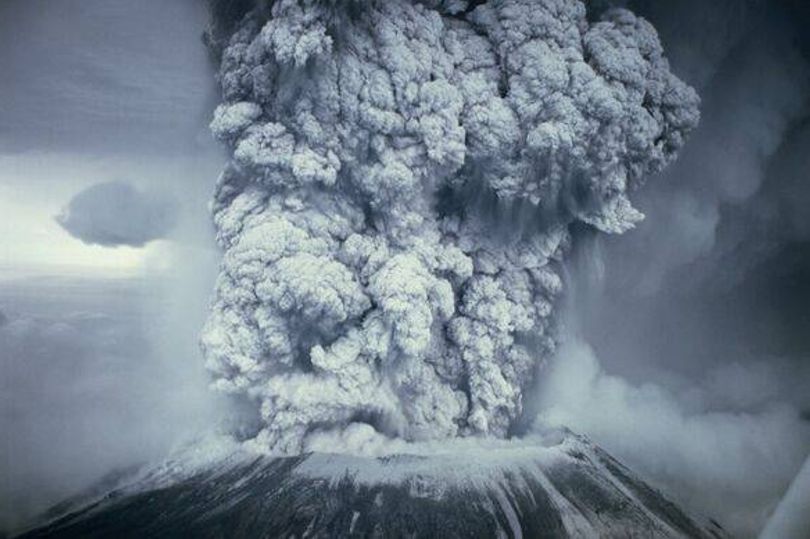
The ash thrown into the atmosphere would lead to crop failures -Credit:Getty
A Cambridge University study has delivered a stark warning about the dangers the planet faces from a potential supervolcano eruption.
Researchers have cautioned that the world is "completely underestimating" the threat.
• 'Time traveler' from 2118 shares terrifying future and World War Three
• Scientists end of world warning report with earth 'on brink of collapse'
Plastic rubbish turned into food, robots ready to take over (kind of), and the rich want us off Earth now - all this and more in our weird science newsletter
The study also emphasized that such a catastrophic occurrence is more likely than many realize, with a one in six chance of a colossal magnitude seven volcanic eruption happening this century, potentially wreaking havoc on global supply chains, climate and food supplies.
The Cambridge University research team noted that such a major eruption would produce similar impacts to a 1km-wide asteroid colliding with Earth, although volcanic eruptions are significantly more likely.
Despite this stark difference in probability, governments pour hundreds of millions into preparing for asteroid strikes, while dedicating far fewer resources to volcanic eruption readiness, reports the Daily Star.
In the research published in Nature journal, the scientists stressed that steps including better monitoring, increased public education and magma manipulation could avert total planetary catastrophe.
Advertisement
The eruption on the Pacific island of Tonga was the most forceful eruption ever recorded by modern instruments.
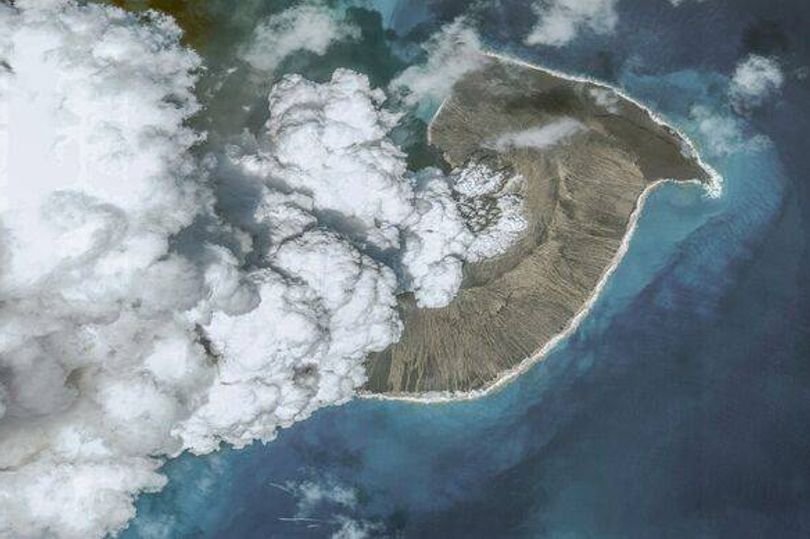
Satellite images of the Tonga volcano days before eruption -Credit:Maxar via Getty Images
However, an eruption 10 to 100 times more intense than the Tonga incident happens once every 625 years, which is twice as often as researchers had previously calculated. The most recent magnitude seven eruption took place in Indonesia in 1815, claiming 100,000 lives and causing global temperatures to plummet by one degree.
This triggered widespread agricultural failures, which in turn led to famine, disease outbreaks and violent civil unrest, costing the world trillions.
Researchers stressed the vital importance of pinpointing where these catastrophic eruptions could occur. Over the past 60,000 years, the locations of only a handful of the 97 eruptions classified as large magnitude on the "volcano explosivity index" have been identified.
This suggests there could be dozens of extraordinarily dangerous volcanoes around the world that humanity remains completely unaware of.
Research author Dr Lara Mani, from the university's Centre for the Study of Existential Risk, warned: "Data gathered from ice cores on the frequency of eruptions over deep time suggests there is a one-in-six chance of a magnitude seven explosion in the next 100 years. That's a roll of the dice.
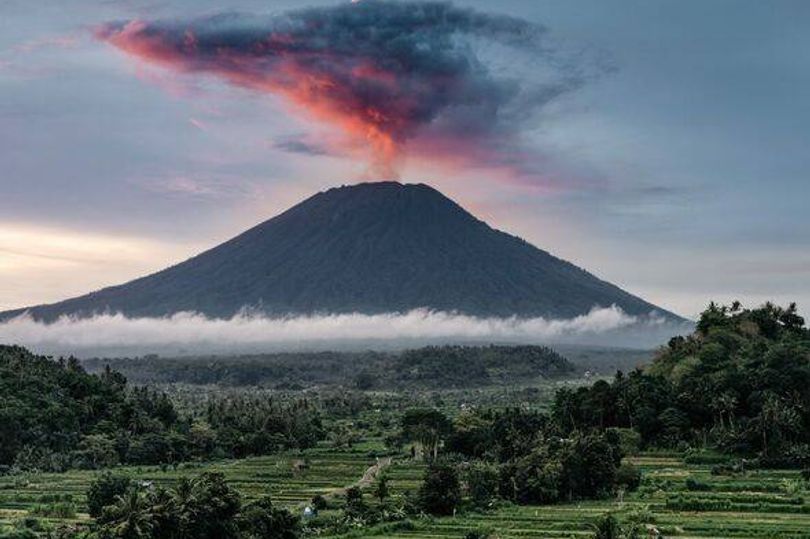
Some volcanoes can erupt at any time -Credit:Getty
"Such gigantic eruptions have caused abrupt climate change and collapse of civilisations in the distant past. Hundreds of millions of dollars are pumped into asteroid threats every year, yet there is a severe lack of global financing and coordination for volcano preparedness.
"This urgently needs to change. We are completely underestimating the risk to our societies that volcanoes pose. The Tonga eruption was the volcanic equivalent of an asteroid just missing the Earth, and needs to be treated as a wake-up call. The current underinvestment in responding to this risk is simply reckless."
Dr Mike Cassidy, the study's author, explained: "The last magnitude seven eruption was in 1815 in Indonesia. We now live in a world with eight times the population and over 40 times the level of trade. Our complex global networks could make us even more vulnerable to the shocks of a major eruption.
"We may not know about even relatively recent eruptions due to a lack of research into marine and lake cores, particularly in neglected regions such as Southeast Asia. Volcanoes can lie dormant for a long time, but still be capable of sudden and extraordinary destruction."
Source: “AOL Breaking”
