


The strange irony of Britain’s surprisingly strong growth
The strange irony of Britain’s surprisingly strong growth

Annabel DenhamWed, October 14, 2026 at 6:00 AM UTC
0
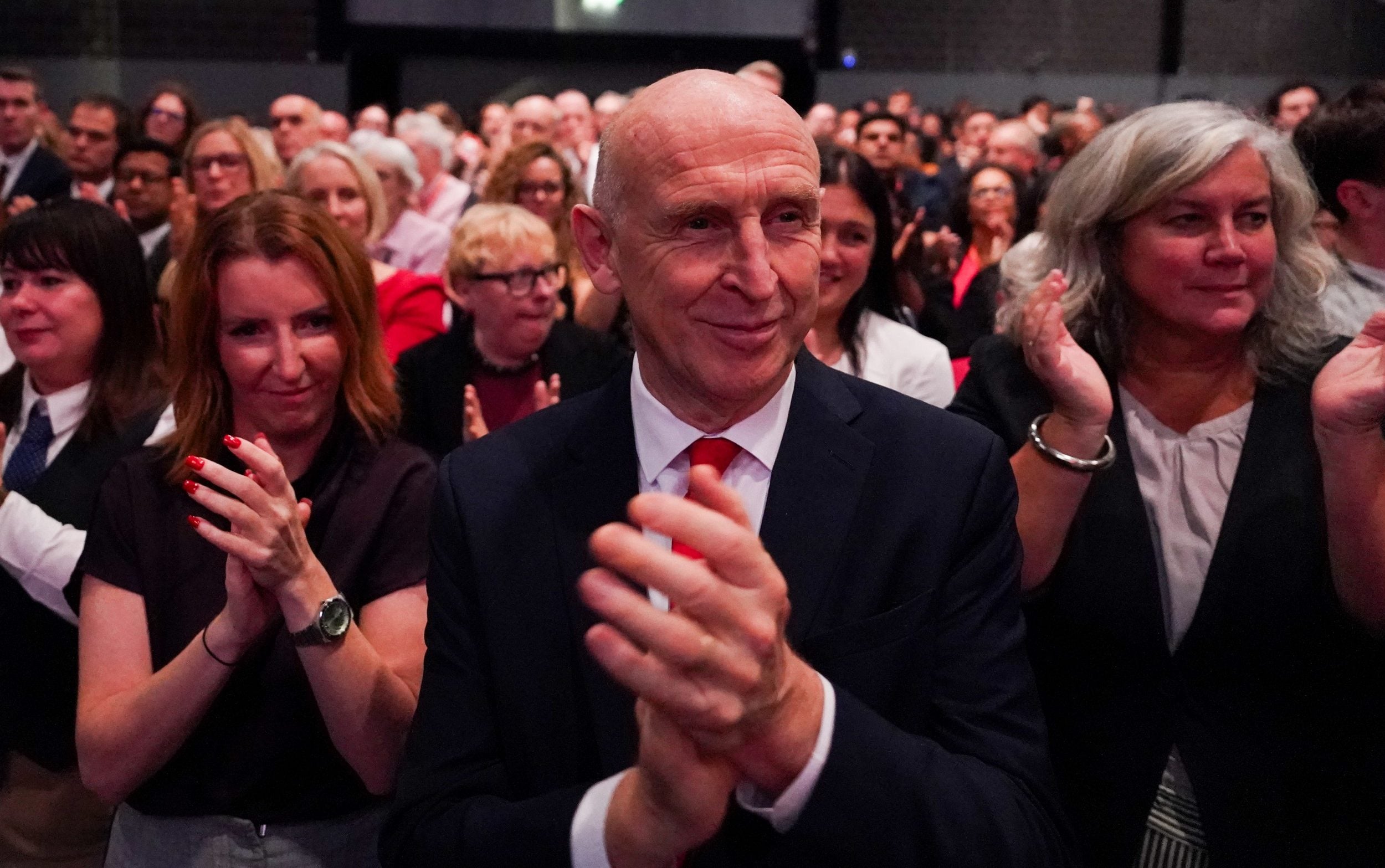
John Healey has welcomed the IMF’s upgrade without explicitly claiming personal credit - Ian Forsyth/Getty ImagesYou could have knocked me down with a feather duster. The International Monetary Fund has just upgraded its growth forecast for Britain – not perhaps by enough to get us dancing in the streets, but an improvement on the previous paltry 1 per cent estimate, up to 1.3 per cent and enough to put us joint second in the G7 “growth” league alongside Germany.
You could have knocked me down with a feather duster. The International Monetary Fund has just upgraded its growth forecast for Britain – not perhaps by enough to get us dancing in the streets, but an improvement on the previous paltry 1 per cent estimate, up to 1.3 per cent and enough to put us joint second in the G7 “growth” league alongside Germany.
Even more remarkably, given our welfare spending is incontinent and we’re on course to pay squillions to a foreign country to take tropical islands off our hands, the IMF has praised our approach to getting the public finances under control. The upgrade reflects stronger-than-expected growth in the first half of the year, particularly investment and exports linked to AI, apparently mitigating the effects of the Iran War.
Economic forecasts are as unreliable as betting tips. They are frequently revised. Remember too that we had a hot summer and the World Cup, both of which would have boosted retail even if Zack Polanski had been in charge. But could this modest improvement also owe something to Britain’s recent political shenanigans? Whilst Parliament rises every July, Keir Starmer’s June resignation threw Westminster into disarray. It interrupted the cascade of ministerial initiatives, unnecessary reforms and crackpot legislative wheezes which are churned out by Whitehall’s random policy generator before the summer recess.
Since May, and after a flurry of activity, Parliament has passed just four new acts, half the number that might have been expected. The coincidence of improved growth with comparatively inactive government should raise questions for those convinced that prosperity depends on all-knowing politicians incessantly thinking up new ways to interfere.
Recent experience in a couple of other European countries lends support to the idea that state indolence can be a bonus. Spain spent much of 2016 in political deadlock, yet its economy grew by around 3 per cent that year. The Netherlands took 225 days to form a coalition in 2017, whilst its economy expanded by 2.9 per cent. Neither example proves that political paralysis stimulates growth, but they suggest that economies can hum along quite nicely whilst politicians squabble over who should get to play with the Xbox.
Advertisement
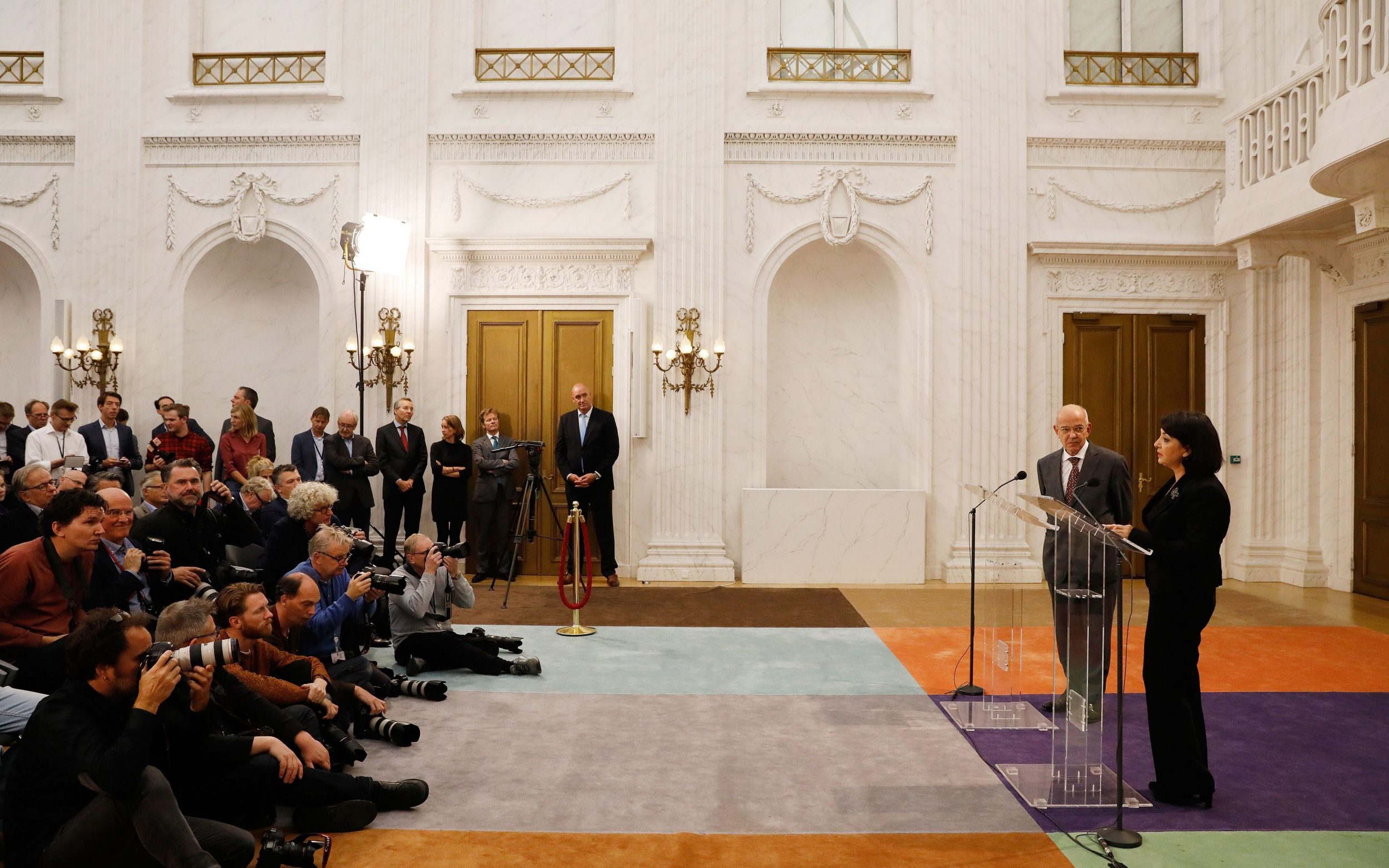
The Netherlands took 225 days to form a coalition in 2017, whilst its economy expanded by 2.9 per cent - BAS CZERWINSKI/AFP
Compared with Belgium, however, Spain and the Netherlands compete in the lightweight category. Between 2007 and 2020, the Belgians were governed for 1,485 days by a caretaker administration. That’s equal to more than four full calendar years. In the early 2010s, disagreements between Flemish nationalists demanding greater fiscal autonomy and French-speaking socialists advocating federal redistribution left the country without a proper government for 541 days. For a time, it lacked an agreed federal budget, relying on temporary spending authorisations.
Yet still the economy grew by around 2 per cent each year, unemployment fell from 8.3 to 7.3 per cent, and business investment increased substantially. They even earned plaudits from the IMF for bringing down the deficit. Brussels, capital of the EU and home to its prodigious regulatory machinery, demonstrated that economic life can go on without a steady supply of political initiatives.
Despite £66bn in tax rises and Rayner’s Employment Rights Act, innovators have continued to innovate even under this Labour Government. Entrepreneurs have taken risks and businesses have expanded. Yet their willingness to do so should never be taken for granted. Investment depends on confidence in the future – which is harder to sustain when firms must contend not only with the lasting consequences of past legislation but the prospect of further taxes, employment rules and other obligations subject to the passing enthusiasms of ministers whose political careers will necessarily be shorter than the investment horizons. The less “kite-flying” the better.
Most MPs enter politics with admirable intentions. The problem they quickly encounter is that competent administration doesn’t seem to offer enough glory: ministers must bequeath a legacy; regulators must identify some hitherto neglected activity requiring their supervision and an expanded budget. And we are permanently afflicted with battalions of generously funded busybodies trying to improve the country whether it wants to be improved or not.
John Healey has welcomed the IMF’s upgrade without explicitly claiming personal credit, unlike Rachel Reeves, who regularly claimed earlier upticks as vindication of her economic programme. Good for him: prosperity is generated by millions of people working, investing, trading and taking risks. It’s not bestowed on them by politicians and bureaucrats, whose contribution is usually confined to hogtying businesses and emptying their coffers to finance boondoggles or swell the numbers of benefit claimants.
Source: “AOL Money”
