


Jurassic Park star Sam Neill's cause of death revealed after dying at 78
Jurassic Park star Sam Neill's cause of death revealed after dying at 78

Angelica Cheyenne & Hannah Furnell & Charl WrightThu, July 16, 2026 at 4:24 AM UTC
0
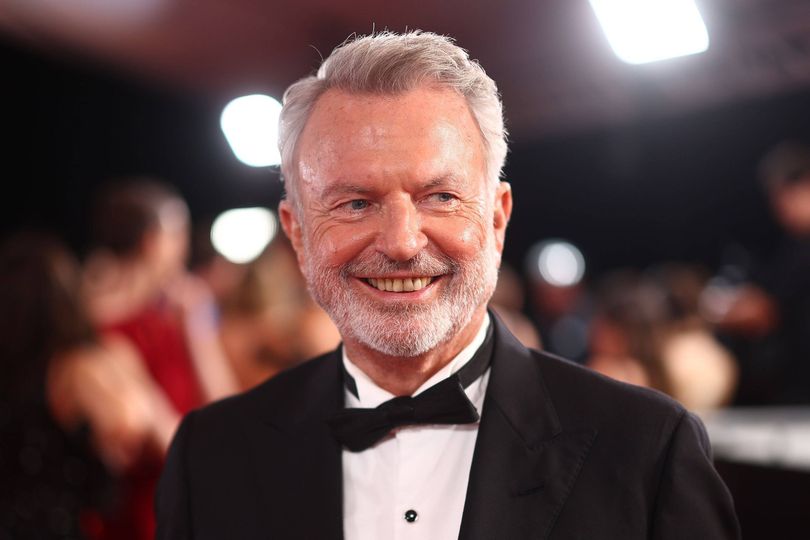
Sam Neill died at the age of 78 -Credit:Getty
Sam Neill's cause of death has been revealed after he passed away on July 13 at the age of 78.
The beloved Jurassic Park actor died on Monday at St Vincent's Private Hospital in Sydney, Australia, with family by his side.
A representative from Neill's camp has announced in a statement that Neill died from pneumonia.
“Prior to becoming sick, Sam had valiantly fought and beaten lymphoma through a new treatment called CAR-T therapy,” Neill's rep told People.
His death has been described as "sudden and unexpected," with the actor having been cancer-free at the time. He had previously received successful treatment and CAR T-cell therapy for stage-three blood cancer.
• Taylor Swift wedding 'weirded guests out' with tragic gift error that 'killed the vibe'
• Jimmy Kimmel brutally mocks Mitch McConnell with AI hospital photo
Earlier in the week, a statement addressing Neill's passing from his family was shared before his cause of death came to light.
"Sam was surrounded by family and passed with the dignity that has characterized his whole life. The loss was sudden and unexpected, but blessed by the fact that Sam remained cancer-free," his family revealed in the statement.
This follows revelations that he had embraced living a quiet, solitary life. Prior to his death, Sam, who was born in Northern Ireland, shared his thoughts on mortality, explaining that he wasn't "frightened of dying," though the idea "irritated" him because of unfinished business in his life.
Advertisement
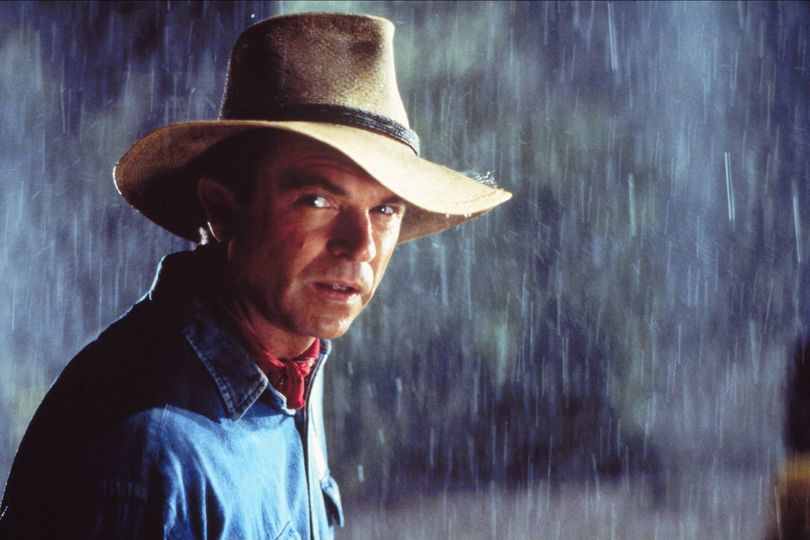
Neill is best known for his role as Dr. Alan Grant in the Jurassic Park series -Credit:Allstar/UNIVERSAL
"I'm not in any way frightened of dying. That doesn't worry me. It's never worried me from the beginning, but I would be annoyed," the Hollywood star said in October 2023. "I'd be annoyed because there are things I still want to do. Very irritating, dying. But I'm not afraid of it."
In his memoir, Did I Ever Tell You This, he disclosed his cancer diagnosis. Beginning the book by informing readers he was "possibly dying," he confessed that he hoped for "another decade or two. I'm not afraid to die. But it would annoy me. Because I'd really like another decade or two, you know?" Sam wrote, "We've built all these lovely terraces, we've got these olive trees and cypresses, and I want to be around to see it all mature. And I've got my lovely little grandchildren. I want to see them get big. "But as for the dying? I couldn't care less."
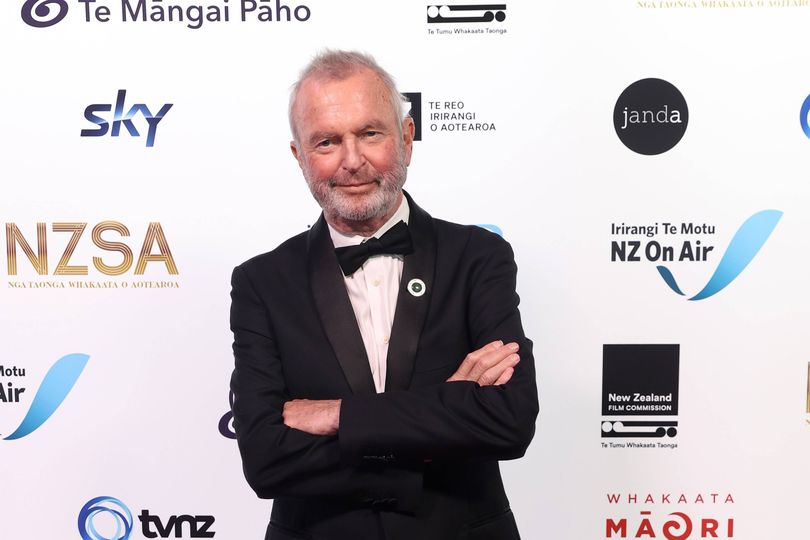
Neill is beloved actor from New Zealand -Credit:Fiona Goodall, Getty Images
Best known for his role as Alan Grant in the Jurassic Park franchise, Sam also spoke candidly about his brush with death after chemotherapy stopped working during his five-year battle with stage-three blood cancer, in an April interview.
He disclosed that a groundbreaking procedure called CAR T-cell therapy, which genetically modifies blood cells, ultimately saved his life. However, with an estimated fortune of $18 million, he was able to cover the hefty $540k price tag.
During a conversation with Australian network 7News, Sam said, "I've been living with a particular type of lymphoma for about five years, and I was on chemotherapy and the pretty miserable business, but it was keeping me alive. Then the chemo stopped working. I was at a loss, and it looked like I was on the way out, which wasn't ideal, obviously."
The veteran actor added, "I've just had a scan just now, and there is no cancer in my body, that's an extraordinary thing. I'm very, very excited that this can happen."

Neill died from pneumonia -Credit:AP Photo/Richard Shotwell
Chimeric Antigen Receptor (CAR) T-cell therapy is a personalized immunotherapy technique that genetically modifies a patient's T-cells to detect and destroy cancer cells. It is predominantly used for blood cancers, according to the National Cancer Institute.
The treatment continues to be explored through clinical trials, including for the treatment of myeloma, another form of blood cancer. A hematologist Professor told 7 News, "[We] turbocharge those cells to then be able to now recognize the myeloma, which was not visible to the immune system before, and then jump on it and kill it."
Neill first disclosed his cancer diagnosis publicly in 2023, after doctors had identified he had angioimmunoblastic T-cell lymphoma the previous year, following his initial observation of swollen glands.
His illness, angioimmunoblastic T-cell lymphoma, is a severe condition characterized by symptoms such as high fever, night sweats, skin rash and autoimmune disorders.
Click here to follow the Mirror US on Google News to stay up to date with all the latest news, sports, and entertainment stories.
Source: “AOL Entertainment”
