


Cynthia Erivo’s Prima Facie turns a punchy play into a finger-wagging lecture
Cynthia Erivo’s Prima Facie turns a punchy play into a finger-wagging lecture

Tim RobeyTue, October 13, 2026 at 8:45 PM UTC
0
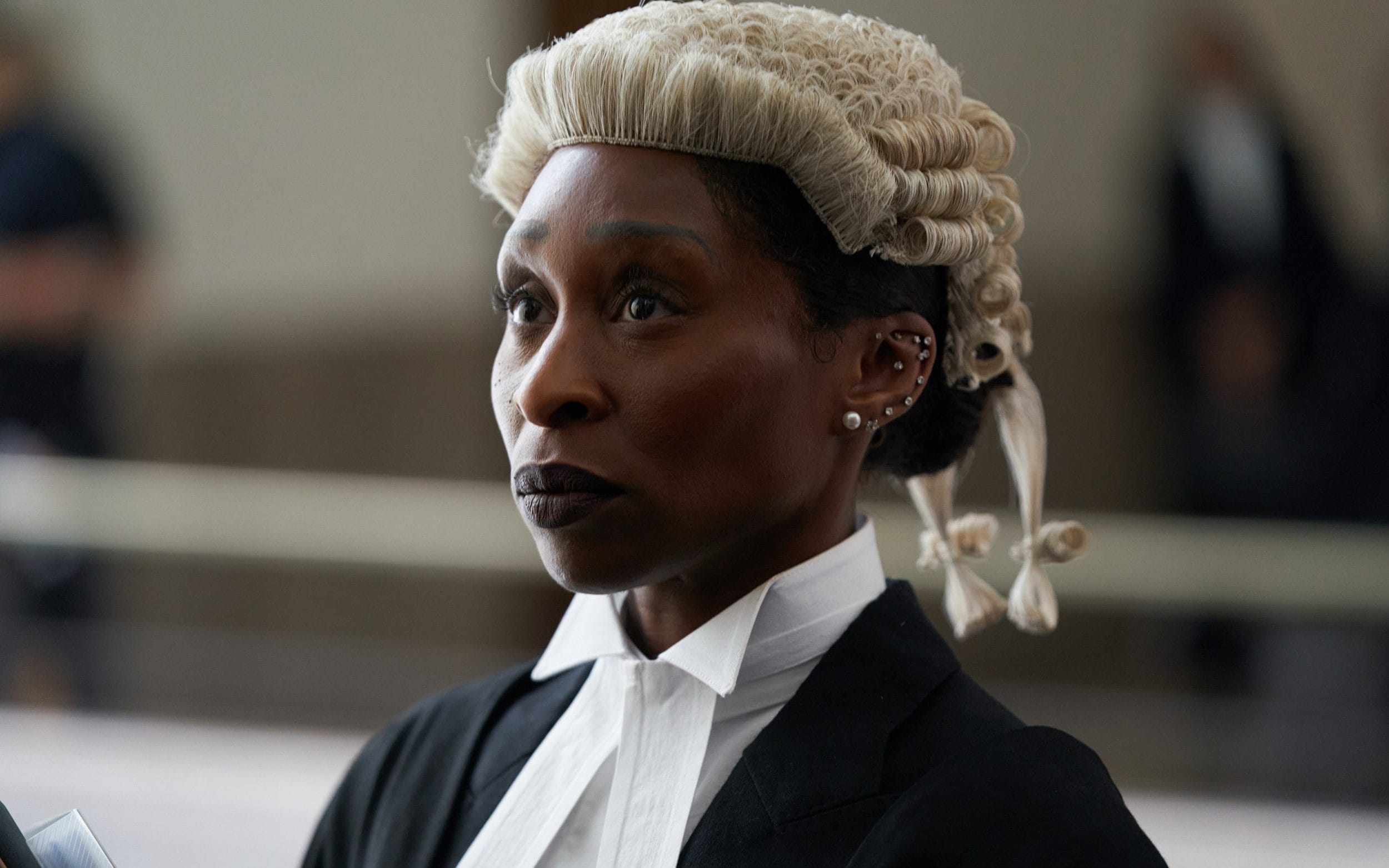
In Prima Facie, Cynthia Erivo plays a criminal defence barrister who is raped by a colleague - Sony Pictures/Nicola DovePrima Facie doesn’t make Cynthia Erivo look bad, exactly, but it does make Jodie Comer look extra smart for choosing not to star in it. An acclaimed play about sexual assault, which turns the tables on a criminal defence barrister when she is raped by a colleague, has become a finger-wagging lecture in film form – successfully tarnishing the drama’s credibility while undermining its point.
Prima Facie doesn’t make Cynthia Erivo look bad, exactly, but it does make Jodie Comer look extra smart for choosing not to star in it. An acclaimed play about sexual assault, which turns the tables on a criminal defence barrister when she is raped by a colleague, has become a finger-wagging lecture in film form – successfully tarnishing the drama’s credibility while undermining its point.
Suzie Miller’s one-woman stage show, about the legal obstacles to securing rape convictions, was a huge deal in the West End, then on Broadway, for an electrifying, award-winning Comer. Miller has since reworked it into a novel and now this screenplay, which fills out the story of Tessa Ensler (Erivo, click-clacking into the Old Bailey) with a supporting cast of fellow lawyers, family members and the rapist.
Erivo certainly looks fabulous as Tessa, a dervish in her chambers with expensive nails and a particularly sterling record for getting men accused of sex crimes off the hook. One Bridget Jones-esque date with the posh, charming Julian Brooks (Daniel Ings) leads to another, but she’s blindsided when he takes advantage of her in her home, at 2am, after a boozy night when she’s taken ill.
Advertisement
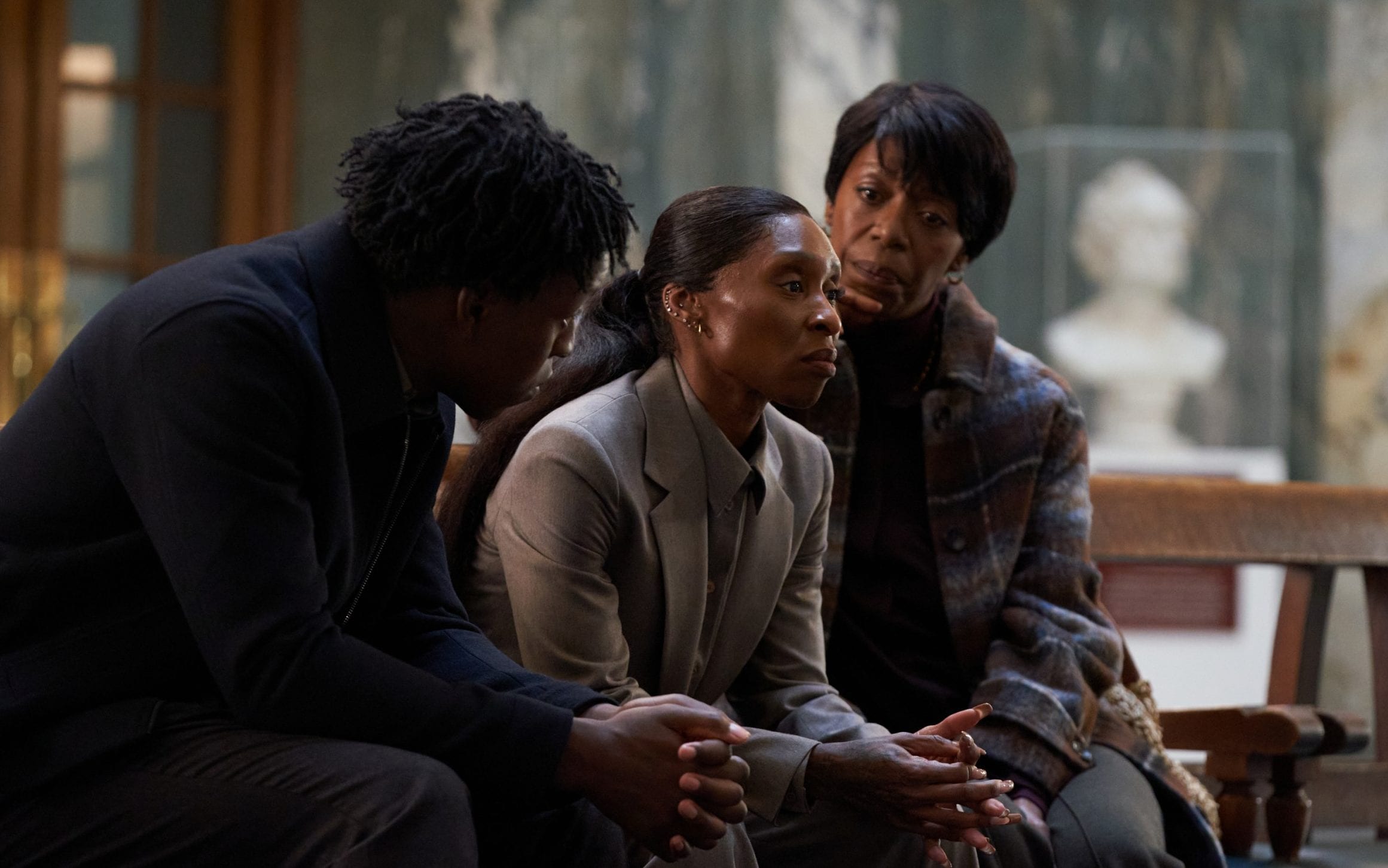
Tim Robey writes that what works as a one-woman stage monologue translates poorly as a feature film - Sony Pictures/Nicola Dove
This rape happens midway, and we have two very different films either side of it – neither of them, alas, much good. The first half plays, inescapably and quite tragically, like a lost episode of This Life, the cult 1996 BBC drama about law students drinking and hooking up while juggling their careers. The relentless needle drops – packing in songs by the likes of Labrinth, Glass Animals and Zara Larsson – come across as so eager to be hip that they have the opposite effect.
The rape scene itself, played out in claustrophobic close-ups, is undeniably traumatic. For five minutes afterwards, Erivo gets a genuine opportunity to act, as a shaken human being whose swagger has been ripped away. We then skip ahead three whole years to the court proceedings, skimping on every facet of her life that’s been upended in the interim. It’s time for a didactic showdown with Julian in the dock, while a wily barrister (Elliot Levey, seizing his moments) subjects Tessa to all the same demeaning tactics she has used on rape victims herself, time and again.
Besides the televisual look and Susanna White’s directing approach, which is fluffed and obvious, the score from Isobel Waller-Bridge is a soul-tiring choral dirge with liberal quotations (if that’s the word) from Philip Glass. The biggest culprit, though, is Miller, whose screenplay converts Tessa into a mere mouthpiece, while everyone on-screen explains elementary points of rape law to, well, rape lawyers. What worked well enough as a stage monologue is musty and stumped as a piece of cinema.
Showing at the London Film Festival. In UK cinemas from November 13
Source: “AOL Entertainment”
