


3 Things Smart Investors Know About the Nuclear Power Comeback
3 Things Smart Investors Know About the Nuclear Power Comeback

James Brumley, The Motley FoolTue, September 29, 2026 at 7:05 PM UTC
0
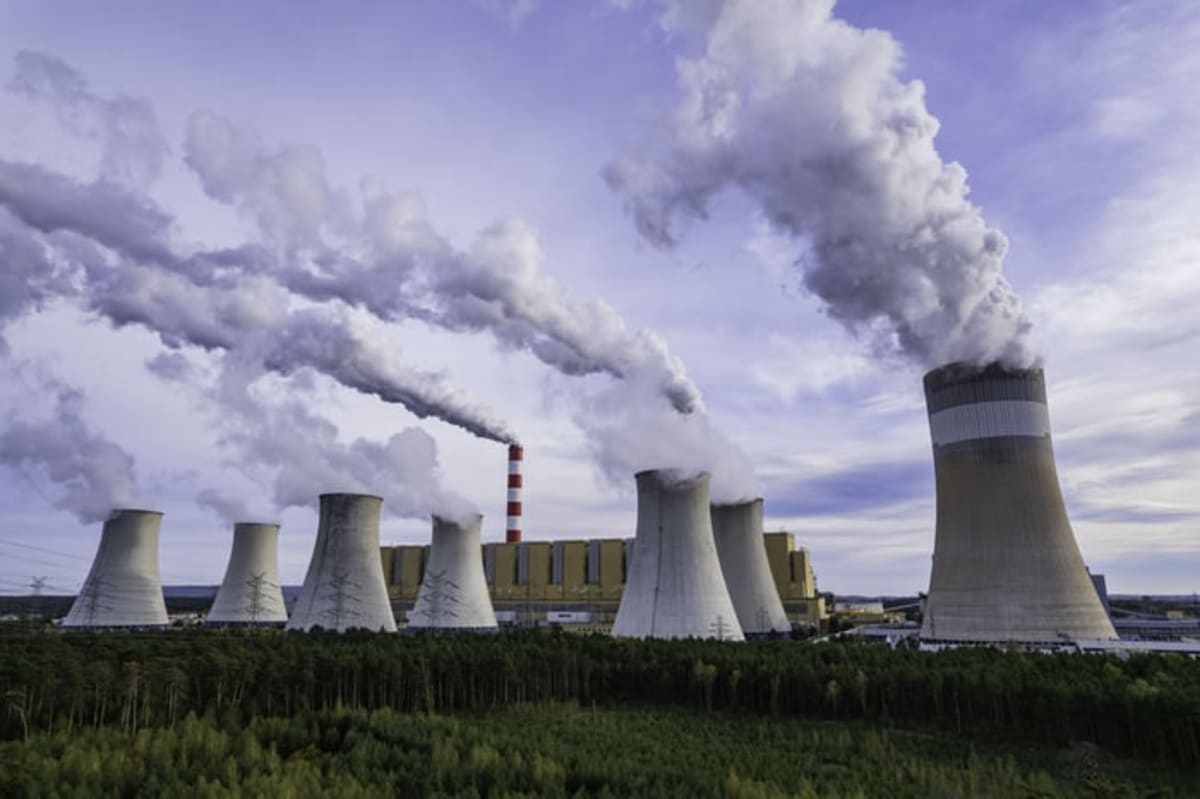
Image source: Getty Images.Key Points -
Technological advances enable nuclear power to be used in ways that weren’t possible when it first became a major source of electricity.
This revolution is particularly slow-moving, but it will also last a particularly long time.
Some of the rekindled industry’s best opportunities may not be obvious or currently highlighted.
These 10 stocks could mint the next wave of millionaires ›
Most investors are likely aware that nuclear energy -- once expected to be displaced by renewables -- is making a comeback. A recent outlook from the World Nuclear Association suggests that the industry's power production is expected to triple between now and 2050. This awareness is why some of these investors may even hold stakes in enriched uranium fuel providers like Cameco(NYSE: CCJ) or Centrus Energy(NYSE: LEU), or own nuclear reactor developers such as NuScale Power(NYSE: SMR) or Oklo(NYSE: OKLO). Or perhaps they take a broader industry approach by holding the VanEck Uranium and Nuclear ETF(NYSEMKT: NLR).
However they play it, there are three facts that smart investors should know about nuclear power's resurgence.
Missed Nvidia in 2009? This Rare Signal Is Flashing Again.In 2009, a "Double Down" signal flashed for a little-known chipmaker called Nvidia. For the first time in years, that same "Total Conviction" signal is flashing for a company 1/100th the size of Nvidia. Continue »
1. Much of it will be privately owned, geographically localized, and small in scale
Certainly, a number of the nuclear power plants planned for construction over the next few years will look much like those already built by public utility companies that serve millions of customers. A sizable swath of future reactors, however, will also look considerably different than the ones currently up and running.
They're called small modular reactors, or SMRs, for short. As the name implies, these power plants are largely fabricated off-site in pieces by companies such as the aforementioned NuScale or Oklo, and then assembled/installed on a relatively small footprint of only a few acres.
And that's what makes them so compelling to individual companies that might want to take power production into their own hands, but don't need a full-sized traditional nuclear power facility. NuScale's modular reactor design, for instance, can generate up to 77 megawatts per module. That's enough to power a desalination plant, a smelting facility, an artificial intelligence (AI) data center, or a factory.
Small modular reactors will probably never account for the lion's share of the world's total nuclear power production, to be clear. The International Atomic Energy Agency (IAEA) estimates that only about one-fourth of new nuclear power production capacity established between now and 2060 will come from SMRs.
Still, numbers from the World Nuclear Association indicate there are already more than 70 small modular reactors currently planned for construction, if not already underway, versus essentially none commercialized right now. In this same vein, the International Energy Agency, or IEA, expects worldwide SMR power production capacity to swell from less than 1 gigawatt by 2030 to on the order of 100 gigawatts by 2050.
2. It's going to take a while to start paying off
Small modular reactors aren't the only opportunity here. The world's still building utility-scale nuclear power plants as well. The IEA adds that over 60 nuclear reactors are currently under construction, bringing the global total to more than 400 nuclear power facilities already in operation.
Like all the SMRs currently being planned, however, it will be years before most of them generate any tangible revenue. Not only does it take years to build something as complex as a nuclear power facility, but it can also take years just to obtain the necessary permits. The IEA's expectation for nearly 900 gigawatts of nuclear power by 2050? The growth won't even start materializing in earnest until 2030, from roughly half that figure.
And while the buzz surrounding small modular reactors is plenty bullish, the BWRX-300 SMRs made by GE Vernova's (NYSE: GEV)joint venture with Hitachi, currently being installed in Ontario, Canada, for Ontario Power Generation, will be North America's first grid-connected SMRs. But this facility won't become operational until 2030 (and that assumes everything proceeds according to plan).
Advertisement
Investing in nuclear power's revival will require incredible patience. That's not a bad thing, though. It means you'll have time to do plenty of research and hold out for pullbacks.
3. The best investment opportunities may be ancillary
Last but not least, enriched uranium suppliers like Cameco and Centrus, and nuclear reactor makers like GE Vernova, Oklo, or Cameco's Westinghouse are the revitalized industry's obvious winners. But they may not be investors' best opportunities from here. They're already fully priced with respect to their risk and reward, specifically because they're obvious.
The best investment opportunities stemming from nuclear power's resurgence may, rather, be in companies that don't so obviously benefit from the renewed movement.
Clearly, GE Vernova is one of these names, but hardly the only one. Construction companies like Fluor Corp.(NYSE: FLR) and Jacobs Solutions(NYSE: J) are well-positioned for growth too, leveraging their extensive experience with such complex projects.
Then there's Amentum Holdings(NYSE: AMTM), which doesn't build nuclear reactor power plants or supply fuel for them. Instead, Amentum helps the nuclear power industry manage its spent fuel and other waste, and monitor for dangerous radiation levels. That's not all it does. But if nuclear power production is going to triple between now and 2050, the need for the proper disposal of nuclear waste is going to triple as well.
That's just a small sampling of all the unnamed and overlooked stocks that could thrive thanks to the rekindled growth of the nuclear power industry, of course.
Where to invest $1,000 right now
When our analyst team has a stock tip, it can pay to listen. After all, Stock Advisor’s total average return is 933%* — a market-crushing outperformance compared to 212% for the S&P 500.
They just revealed what they believe are the 10 best stocks for investors to buy right now, available when you joinStock Advisor.
See the stocks »
*Stock Advisor returns as of September 29, 2026.
James Brumley has no position in any of the stocks mentioned. The Motley Fool has positions in and recommends Amentum, Cameco, and GE Vernova. The Motley Fool recommends NuScale Power. The Motley Fool has a disclosure policy.
Source: “AOL Money”
