


1996 Was Hip Hop’s Most Important Year Ever, and Two Classic Albums Just Turned 30
1996 Was Hip Hop’s Most Important Year Ever, and Two Classic Albums Just Turned 30

Sat, August 29, 2026 at 5:02 PM UTC
0
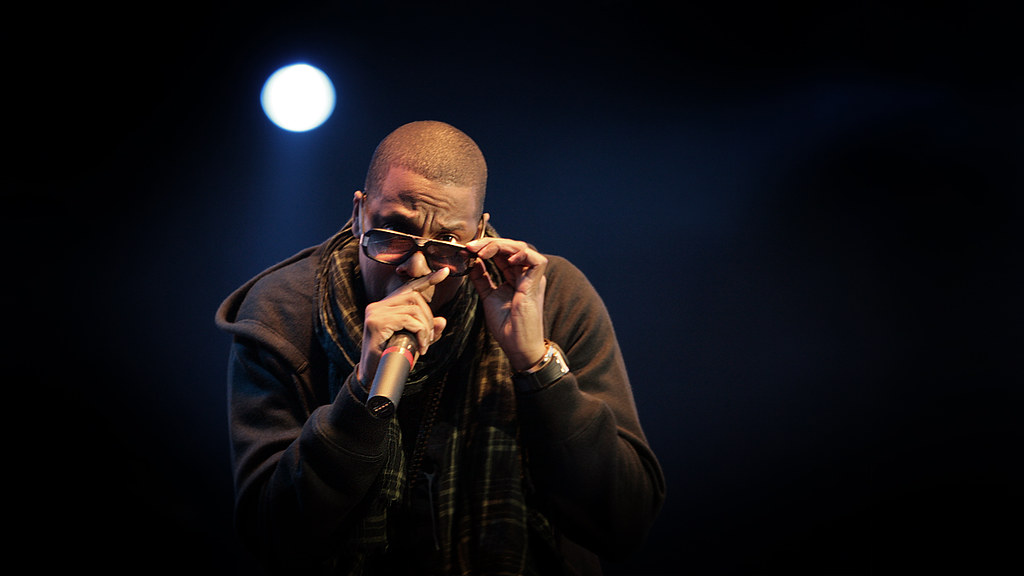
Eight days. That’s the entire gap between Jay-Z’s debut album and Nas’s sophomore record hitting shelves in the summer of 1996, two releases that would eventually sit on nearly every serious list of hip-hop’s greatest albums ever made. Both turn 30 this year, and looking at what actually happened around them makes a decent case that 1996 was the genre’s single most stacked stretch.
Two Releases, One Summer
Reasonable Doubt, Jay-Z’s debut, came out June 25, 1996 on his own fledgling Roc-A-Fella Records through Priority distribution, according to its Wikipedia release history. Nas’s It Was Written followed on July 2, 1996 via Columbia Records, per its own chart and release record. That’s two albums now considered foundational to East Coast rap, arriving inside the same eight-day window, from two twenty-something MCs who’d end up defining the genre’s next three decades.

Photo: Unsplash
Very Different Commercial Stories
The two records could not have performed more differently out of the gate, which is part of what makes their shared anniversary interesting. It Was Written debuted at number one on the Billboard 200 and held the top spot for four consecutive weeks, moving 270,000 copies in its first week alone and going on to sell more than four million copies domestically, making it Nas’s best-selling album to date, according to The Source’s anniversary retrospective. Reasonable Doubt, meanwhile, opened at a modest 43,000 copies its first week and peaked at just number 23 on the Billboard 200, per Wikipedia’s sales figures, moving roughly 420,000 copies by the end of 1996. It remains, to this day, Jay-Z’s lowest-charting studio album. It wouldn’t be certified platinum until February 2002, six years after release, once his catalog and reputation had caught up to it.
Advertisement
The Guest Lists Read Like a Time Capsule
Reasonable Doubt pulled in Mary J. Blige, The Notorious B.I.G., Foxy Brown, and Jaz-O across its tracklist, with production handled primarily by DJ Premier, Ski, Knobody, and Clark Kent, recorded at D&D Studios and mixed at Platinum Island, per Wikipedia’s production credits. It Was Written assembled its own murderers’ row behind the boards — Trackmasters, DJ Premier, Dr. Dre, Havoc, L.E.S., and Live Squad — and introduced the world to The Firm, the short-lived supergroup pairing Nas with Foxy Brown, AZ, and Cormega. Lauryn Hill guested on lead single “If I Ruled the World (Imagine That),” which peaked at number 53 on the Hot 100, while follow-up single “Street Dreams” climbed to number 27 on the Hot 100 and hit number one on the Hot Rap Singles chart, according to Wikipedia’s chart data for the album.

Photo: Unsplash
Reception That Took Years to Catch Up
Neither album was universally embraced the moment it landed. It Was Written drew a mixed initial response — The Source called it an “audio anthology of ghetto stories” while other critics pushed back on its more radio-ready production compared to Nas’s stripped-down 1994 debut Illmatic, a comparison that followed the record for years afterward, per Wikipedia’s critical reception summary. Reasonable Doubt actually landed with more immediate acclaim for its gritty, mafioso-rap realism and Jay-Z’s confident, layered delivery, but its commercial numbers lagged so far behind its critical reputation that it took the better part of a decade for the sales to reflect what critics were already saying. Both records are now routinely mentioned in the same breath as Illmatic itself when people build all-time greatest-album lists — proof that a slow commercial start and an eventual classic status aren’t mutually exclusive.
Why the Stretch Matters
What makes 1996 stand out isn’t just that two classics happened to land in the same summer. It’s that both records shaped entire careers and record labels that dominated the next decade of hip-hop — Roc-A-Fella became one of the genre’s defining imprints, and Nas’s Firm collaborators and Trackmasters-driven sound helped define the sound of mainstream rap radio for years after. Thirty years on, the two albums represent opposite paths to the same destination: one a slow-building cult classic that took its time getting its flowers, the other an instant commercial giant that had to earn its critical respect after the fact. Either way, hip-hop in the summer of 1996 was operating on a level it’s rarely matched since.
Source: “AOL Entertainment”
